India’s mid-market consumer brands are at an important juncture in their growth story. Recent funding announcements and growth plans from consumer brands indicate that omnichannel distribution and asset-light retail strategies are becoming important growth levers for consumer brands in India.
In the fashion, beauty, and food sectors, several consumer brands that are still in the growth phase are accelerating their retail strategies while still investing in digital discovery platforms.
Streetwear retailer Bonkers Corner announced a $15 million Series A funding round that will help the retailer accelerate its retail presence. The funding round highlights how digital-first fashion retailers in India are shifting their focus from physical retail as a marketing strategy for their brand.
A similar trend is also observed for other categories. For instance, rural retail platform Rozana has received $31.5 million to expand stores in new states while also focusing on private labels and technology. MyDesignation, a fashion brand, has also received ₹40 crores to support offline store expansion while also focusing on omnichannel retail.
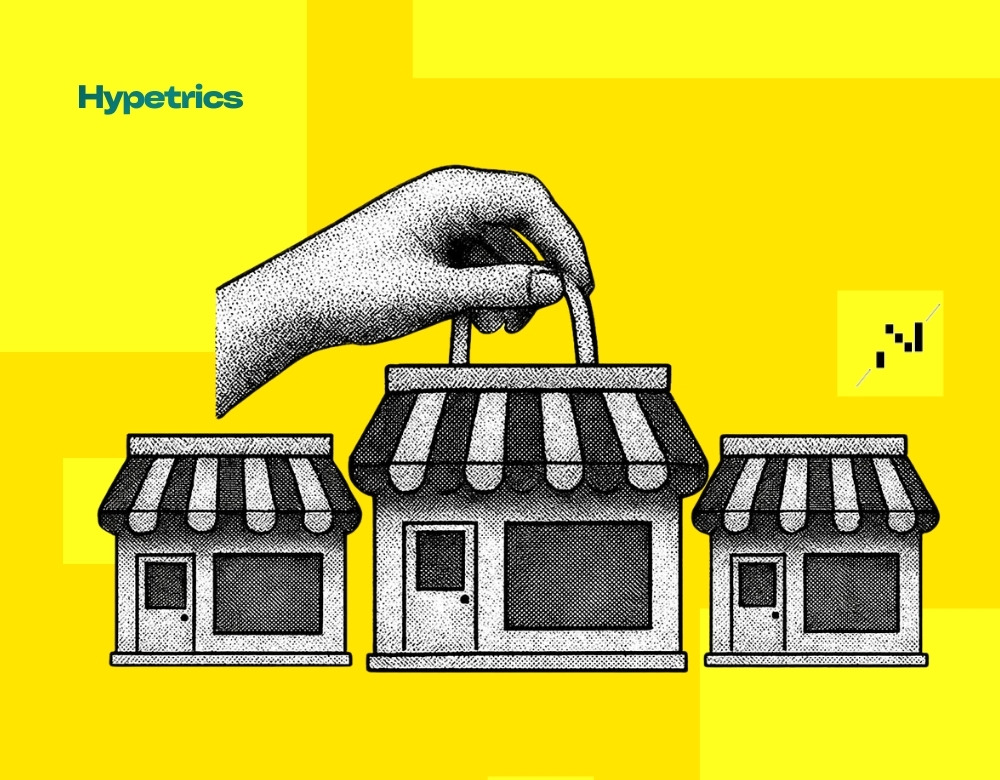
Franchise store expansion is also becoming a key growth strategy for many brands operating in tier 2 and tier 3 markets. For example, Zivame is planning to open 60-80 stores via the franchise route in emerging markets. This is also an example of how asset-light retail is becoming an attractive way for many brands to expand their presence.
The significance of social commerce is also becoming a key influencer for consumer discovery. A joint analysis done by RAI and Meta suggests that social commerce is becoming an influencer for consumer discovery and purchase decisions, especially for categories like fashion, beauty, and lifestyle.
Other brands are adding categories to their offerings to further engage with their consumers. Odette, for example, is entering kidswear as well as planning to reach 100 exclusive brand outlets by FY28, while premium confectionery brand Fulva is expanding its D2C as well as its offline retail footprint as it looks to leverage the growing demand for premium food products.
Overall, these developments seem to indicate a change in how emerging brands are growing in India, as earlier cohorts of D2C brands were heavily reliant on digital acquisition channels, whereas many mid-market brands are now planning a hybrid model for their brands.
For emerging consumer brands, omnichannel execution and distribution are now becoming a key differentiator in a crowded space.